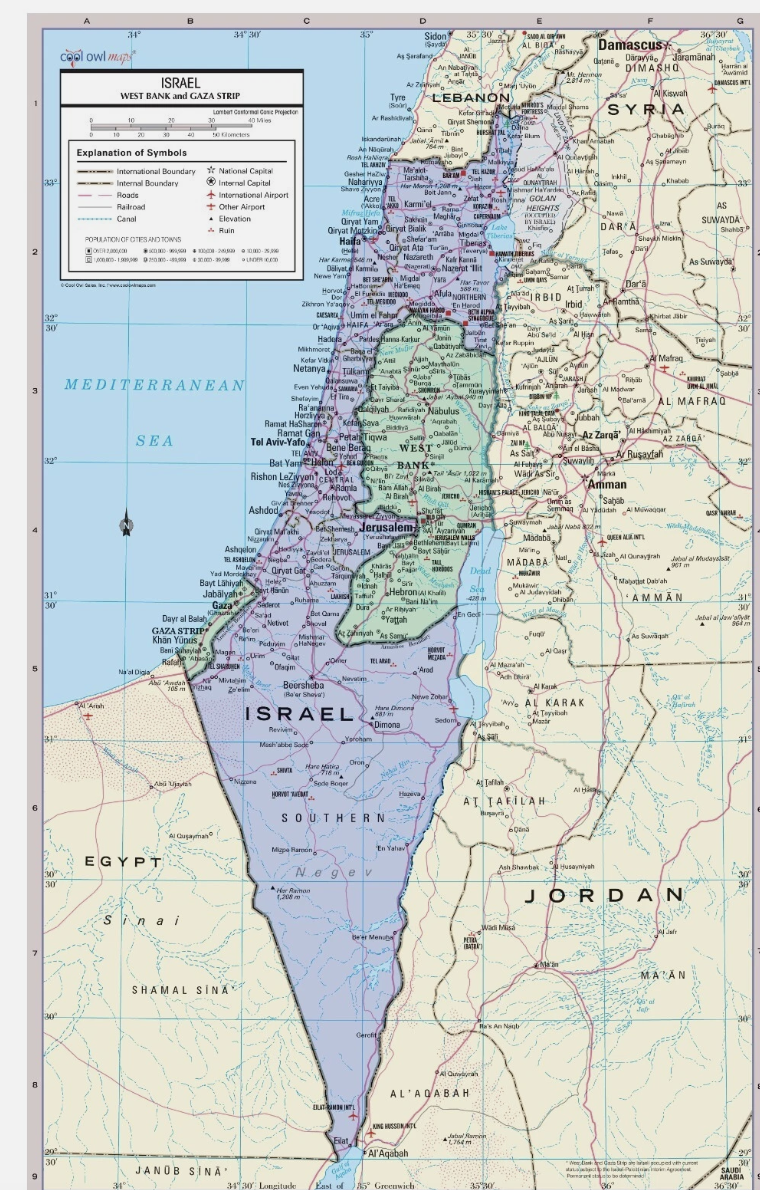
For a couple days, I’ve listened intently to the news from Israel and Iran as the U.S. and Israel carried out joint military strikes to end the present regime in Iran. According to the latest reports, Ali Khamenei, the Supreme Leader, and 40 of the nation’s top leaders are dead. Khomeini’s and Khamenei’s reigns of terror for the last 47 years has resulted in the deaths of hundreds of thousands of their own people. One word against the government could bring death as rules for every phase of life were enforced.
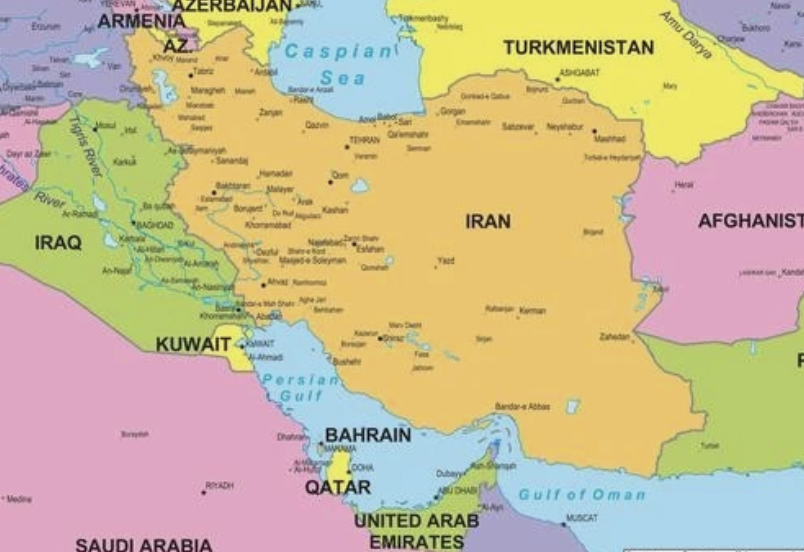
In 2022, a young woman did not wear her hajib correctly – or as correctly as Iran’s morality police thought she should – and she was killed. (And yes, Iran has morality police.) Thousands of people lost their lives in the resulting uprising. Many thought the government would collapse then but the IRGC, the Islamic Guard, suppressed the uprising and retained power for Khamenei. Some report that as many as 50,000 people have died in the recent protests against the corrupt, authoritarian government. We pray that the Iranian people will be able to establish a new government this time with freedom and righteous justice.
I find it interesting, possibly significant and prophetic, that all of this is happening just a few days before Israel celebrates Purim (March 2-3), a series of events that brought Jews freedom from tyranny nearly 2,500 years ago. Ironically enough, a man in Iran (Persia), Haman, one of the country’s leaders, was the culprit. The Book of Esther in the Old Testament tells the fascinating story.
When Babylon conquered Israel in 586 B.C., many of the people were taken to Susa, in southwestern Iran (Persia) where the king had his fortress and capital. The biblical account is captivating. The king, Xerxes, who reigned in Persia from 486 – 465 B.C, becomes angry with his wife, the queen, when she refuses an order. She is deposed and, after interrogating many women, Xerxes marries Esther, a Jew, thus making her the queen.
Haman, just like Khamenei, hated Jews, especially Esther’s beloved cousin and guardian, Mordecai, who refused to bow to Haman. So, Haman planned to kill all Jews in March the following year. The king even agreed to the plan. Neither the king nor Haman knew that Esther was a Jew. Esther was reluctant to intervene, but her uncle said, “Who knows if perhaps you were made queen for just such a time as this?” (Esther 4:14, NLT).
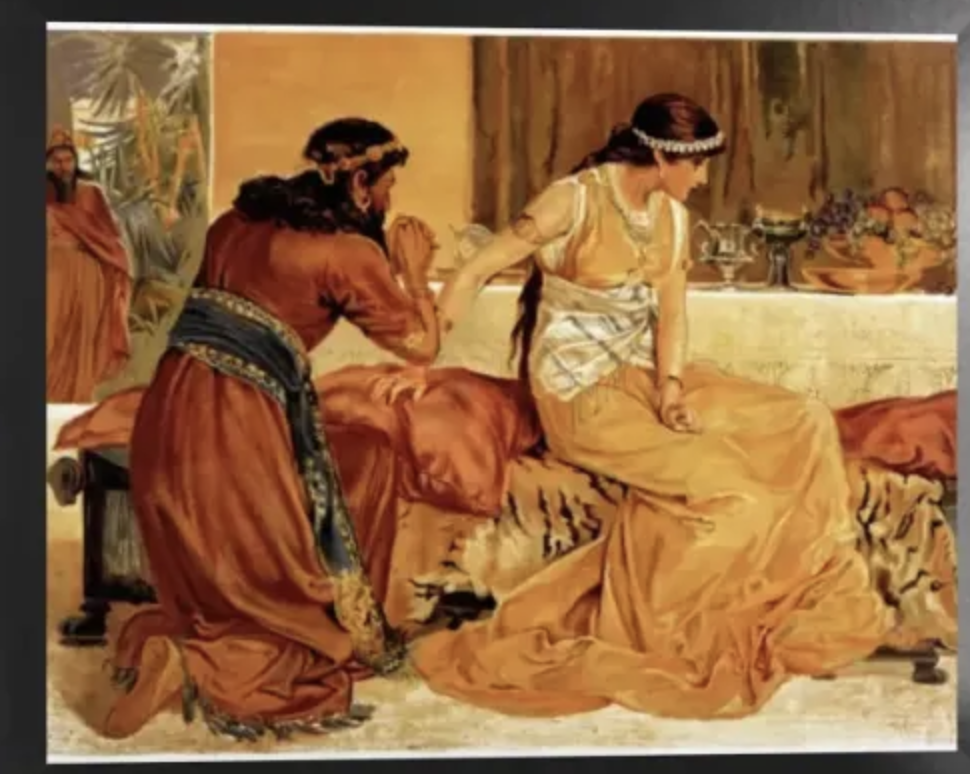
After the Jews in the city and Esther’s servants prayed and fasted, Esther revealed her identity and Haman’s plan. Haman begged for his life by throwing himself onto Esther. That brought a death sentence for Haman and the beginning of the deliverance for the Jews. Haman and his sons died on the gallows that Haman had prepared for Mordecai.
Back to today: Now Israel is helping to deliver the Persian people. We don’t know the outcome of this war, but we pray for the “peace of Jerusalem” (Psalm 122:6), and we pray that the Iranian people will be delivered from this great tyranny. We pray that God’s will is accomplished in these days of upheaval. (Read Jeremiah 49 for further study where the prophet says that Ammon (Iran) will be destroyed but then restored.)
Jesus warned us in Matthew 24:6-8 that there would be wars and rumors of wars in the Last Days so none of this surprises us. Nearly every week, we learn of an outbreak of fighting in a different country. So, we pray for the peace that we know only Christ can bring.
 walkingforward